
Reasons savings rates could be on the rise once more
Savings rates could increase once more. Discover what the Federal Reserve's choices mean for your finances and find out how to evaluate high-yield savings accounts effectively.
Heads up savers: savings rates could soon be on the rise
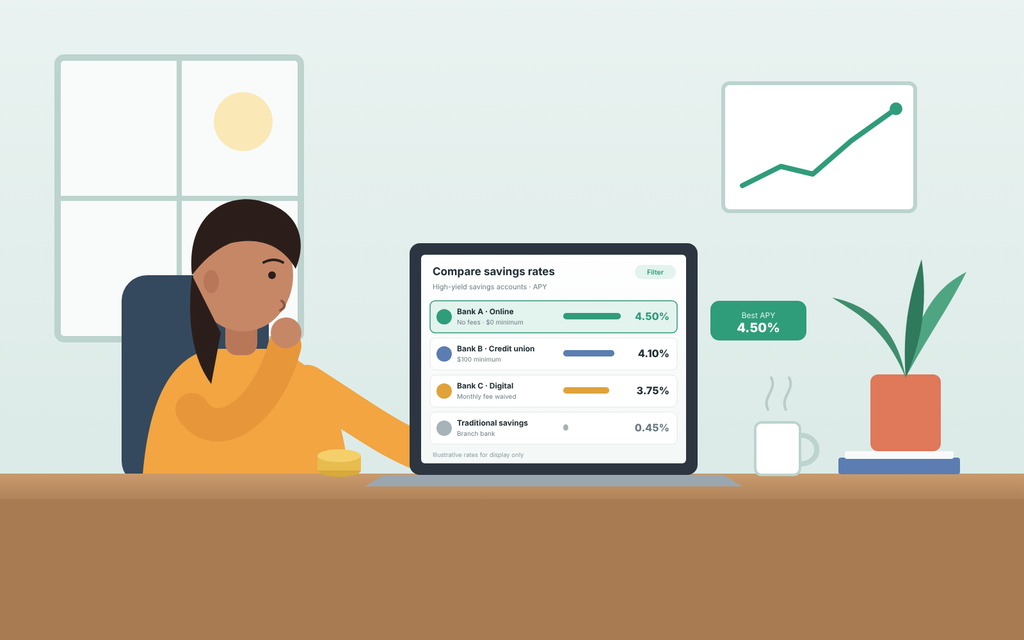
Is your savings account delivering enough interest? If you’ve been keeping money parked without reviewing your APY, you might be missing out on better earnings.
Savings rates could rise again in 2026, opening new doors for people looking to make their money grow faster.
However, there’s a catch: rising interest rates don’t ensure every bank will increase what they pay you.
Here’s what to keep in mind before making your next financial decision.
Factors Behind Potential Savings Rate Increases
Several elements play a role in determining savings rates, such as:
- Federal Reserve policy decisions;
- Inflation levels;
- Banking sector competition;
- Demand for deposit funds.
In September 2026, the Federal Reserve increased its target interest range to 3.75%–4.00%.
This is important because shifts in market interest rates often impact the rates banks offer savers on their deposits.
That said, each bank determines its own deposit interest rates.
An increase in the Fed’s rate doesn’t necessarily lead to a higher APY on your savings.
What the Federal Reserve’s Upcoming Decision Might Mean
The Fed’s October 27–28, 2026 meeting is a key moment for anyone watching savings rates closely.
According to a Reuters poll published on October 20, the majority of economists surveyed expect the Fed to keep rates unchanged in October, with a possible hike anticipated in December.
These are projections, not final decisions.
If rates increase again, some banks might boost their savings yields, while others could keep their APYs the same.
The bottom line: Keep an eye on your account rather than expecting your bank to raise your rate automatically.
How Inflation Impacts Your Savings
Higher interest payments don’t always reflect the full picture.
It’s also important to take inflation into account.
According to an October report by the Associated Press, U.S. consumer inflation stood at 3.7% year over year in September 2026.
As prices increase, the value of your money decreases.
For instance, a savings account earning 0.50% APY won’t keep up with 3.7% inflation before taxes are considered.
Your account balance may increase, but your purchasing power could still be lower than it was a year ago.
Factors That Could Push Savings Rates Upward
There are three key elements to watch closely.
1. Ongoing Inflation Pressure
As long as inflation stays above the Fed’s 2% goal, decision-makers might maintain higher interest rates or even raise them further.
This situation may prompt some banks to increase their savings rates to attract deposits.
On the other hand, if inflation slows down more quickly than anticipated, rates could drop.
2. Bank Competition for Deposits
Banks vie to attract deposits from customers.
Offering savings accounts with attractive APYs is a common strategy to bring in new clients.
This means you might find better earnings opportunities even if your current bank doesn’t raise its rates.
Before making a switch, be sure to compare:
- APY;
- Monthly fees;
- Minimum balance requirements;
- Withdrawal and transfer options;
- Eligibility conditions.
Make sure to verify the latest rate on the bank’s official site.
3. How Bank Funding Needs Affect Rates
Banks don’t always immediately adjust rates to match Federal Reserve changes.
Some banks increase savings rates promptly, while others make modest changes or keep rates steady.
Variable APYs may also be reduced by banks if market conditions shift.
Don’t rely on your bank to alert you about better rates. Stay proactive and review your options often.
What Steps Should You Take If Savings Rates Rise Again?
You don’t have to guess the Fed’s next move to make smarter choices with your savings.
Begin with these five simple steps.
1. Verify Your Current APY
Check your account details on your bank’s website or mobile app.
Pay attention to:
- Your current APY;
- Monthly account fees;
- Required minimum balances;
- Terms tied to promotional rates.
If your current account offers much lower rates than others, figure out how much you could gain by switching.
2. Explore High-Yield Savings Options
A high-yield savings account can provide greater returns while keeping your funds easy to access.
However, don’t rely solely on the advertised APY.
Make sure to review fees, account terms, and interest rate policies before you open an account.
3. Consider Inflation and Tax Impacts
Your APY doesn’t reflect your actual net gain.
For instance, if your savings yield 4.35% but inflation runs at 3.7%, your estimated real return before taxes is about 0.65 percentage points, based on the simple difference between these rates.
Keep in mind that taxes will further decrease your actual earnings.
The IRS usually considers bank interest as taxable income, subject to standard tax rules.
4. Get Ready for Holiday Spending
October is an ideal month to revisit your budget before holiday shopping and travel costs start piling up.
Think about dividing your savings for different purposes:
- Emergency funds.
- Holiday expenses.
- Monthly bills.
- Long-term savings goals.
Reserve funds you’ll need soon in an account that offers easy access.
Earning a slightly better rate offers little advantage if you can’t readily access your funds when necessary.
Is It Possible for Savings Rates to Drop Instead?
Indeed, savings rates might decline even after experiencing some recent increases.
Should inflation slow down and the Federal Reserve cut interest rates, banks could lower APYs on accounts with variable rates.
Banks may also modify their rates independently depending on competition and their funding requirements.
That’s why simply going after the highest advertised APY isn’t always your best bet.
Focus instead on the overall benefits the account offers:
- Attractive returns.
- Minimal or no fees.
- Easy access to funds.
- Strong deposit safeguards.
- Transparent terms.
Base your choices on confirmed rates rather than forecasts about market movements.
Author’s Perspective
The chance that savings rates will increase is promising, but the real advantage lies in ensuring your funds are earning a strong return right now.
Many individuals keep their savings in the same account for long periods without ever checking the interest rate they’re actually receiving.
This habit can lead to missing out on hundreds of dollars in potential interest earnings.
Meanwhile, chasing the top advertised rates without checking fees or account terms can cause unwanted complications.
My advice is straightforward: review your current APY. Compare what other banks offer. And ensure your funds stay easy to access when necessary.
You don’t have to guess what the Federal Reserve will do next to make wiser choices about your savings.
Recommended content
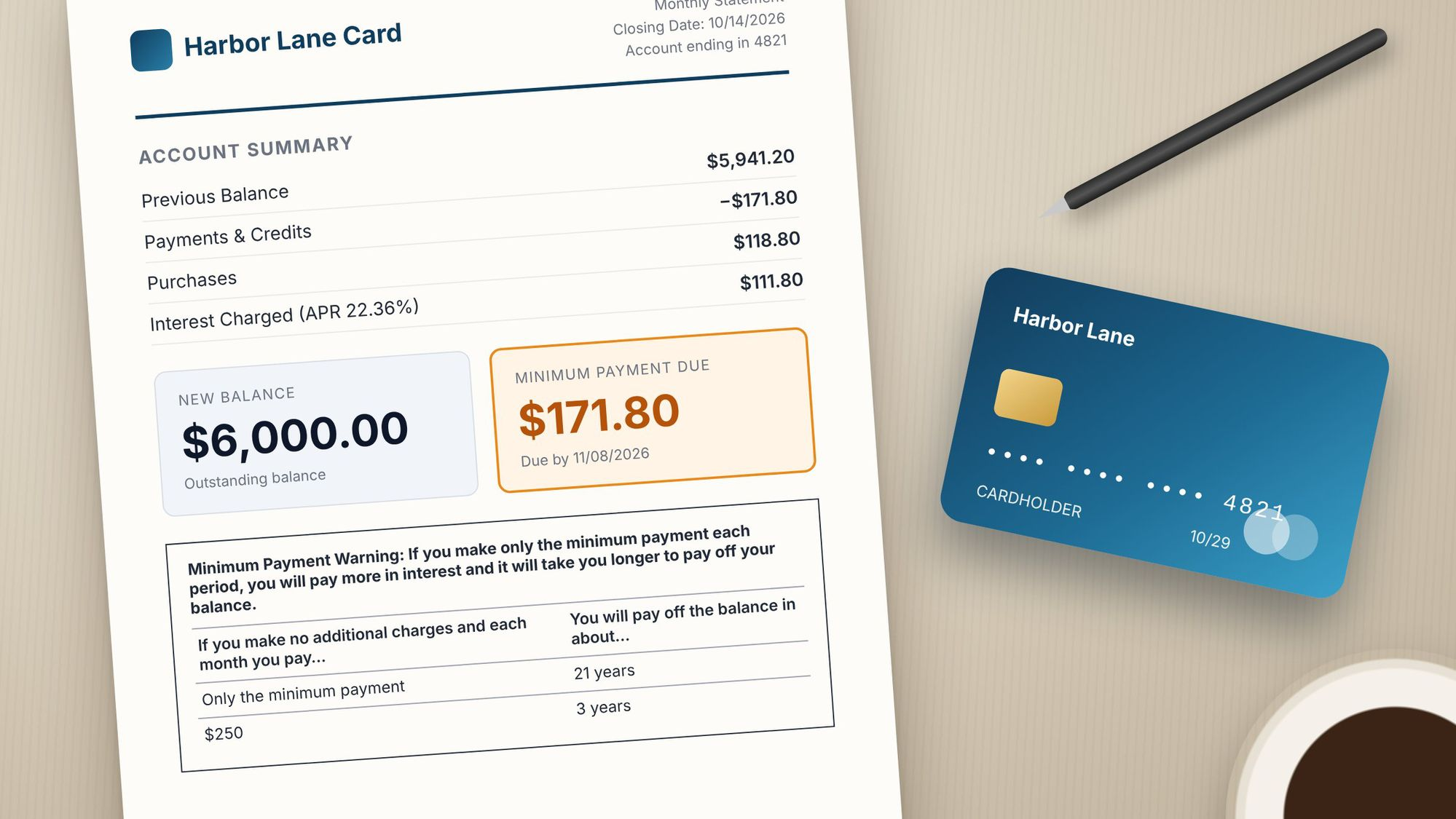
Why your minimum payment
Discover why your minimum payment reduces less credit card debt, how interest affects your balance, and what you can do to pay it off faster.
Continue Reading * You will remain on the current website