
2027 Social Security Increase: Essential Information for Your Family
In 2027, Social Security benefits will rise by 3.6%. Discover the timing of these payment adjustments, estimate your potential new amount, and understand the impact of Medicare expenses on your finances.
Social Security raise update: key points every family should know
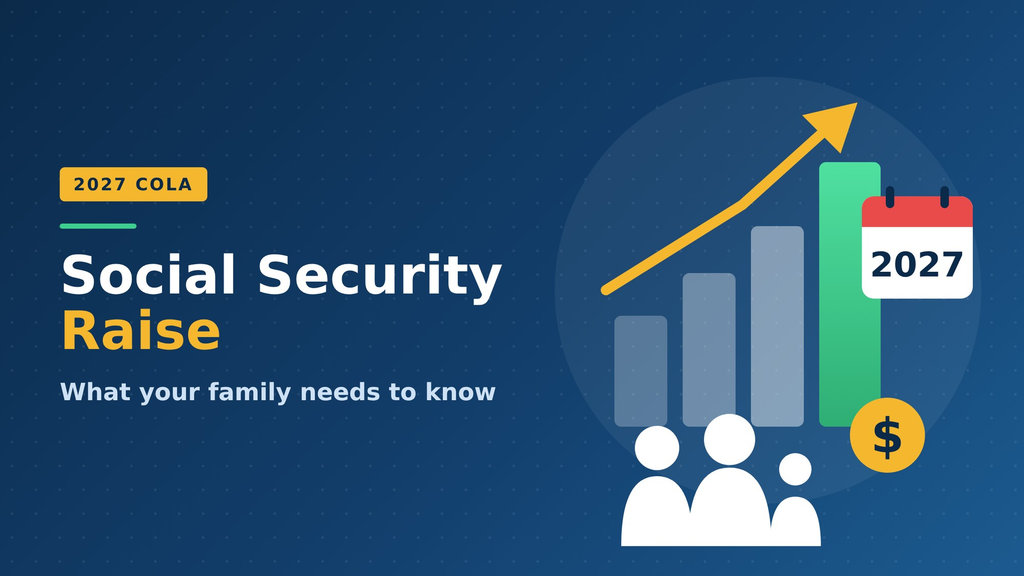
The 2027 Social Security increase is confirmed: benefits will go up by 3.6% starting next year.
The Social Security Administration (SSA) announced on October 14, 2026, that the cost-of-living adjustment (COLA) will likely boost the average retired worker’s monthly benefit by about $75.
However, families should understand that a larger Social Security check doesn’t always translate into extra spending money.
Rising costs for groceries, housing, and Medicare premiums may lessen the actual financial benefit you receive.
Whether you get retirement, disability, survivor benefits, or Supplemental Security Income (SSI), here’s what you need to do to get ready for the upcoming changes.
Will the Social Security Raise Be Enough to Offset Rising Expenses?
Not always.
The COLA aims to help benefits keep up with inflation, but the formula it uses may not fully capture the specific costs your household faces each month.
According to the Bureau of Labor Statistics, consumer prices increased by 3.7% during the year ending in September 2026.
Gas prices rose 9.1% in September alone, and the overall energy index climbed 20.4% over the past year.
How Will This Affect Your Monthly Budget?
Here’s a simple example:
- Current Social Security payment: $2,000
- Projected 3.6% increase: $72
- Extra monthly costs: $85
The bottom line: you’d still face a $13 monthly shortfall.
These numbers are for illustration only and don’t reflect your exact expenses.
The key takeaway: even if your benefit rises, your spending power might still feel squeezed.
Which Expenses Should You Prioritize Reviewing?
Begin by focusing on the bills that consume the largest portion of your income:
- Housing: rent, property taxes, and insurance;
- Healthcare: premiums, prescriptions, and copays;
- Groceries: food and everyday essentials;
- Utilities: electricity, heating, and water;
- Transportation: fuel, car insurance, and repairs.
Review these costs alongside your anticipated 2027 income before deciding how to allocate the extra funds.
When Will the 2027 Social Security Raise Take Effect?
When you receive your increase depends on which benefit program you’re enrolled in.
The SSA notes that SSI payment increases start on December 31, 2026, while Social Security benefit adjustments take effect in January 2027.
Your specific payment date can differ based on the program and the schedule assigned to you.
Refer to the SSA’s official COLA page for the latest updates.
When Will You Be Able to See Your Updated Benefit Amount?
Beneficiaries with a personal my Social Security account who opt for paperless notices can view their customized COLA statement online by late November.
Paper notifications are expected to be mailed out in December.
To view your notice online as per SSA’s updated process, beneficiaries need to set up an account and opt into electronic notices by November 18, 2026.
Can Medicare Expenses Impact Your Social Security Raise?
Absolutely. If Medicare premiums are taken out straight from your Social Security benefits, an increase in those premiums can lower the amount you actually receive.
For reference, the standard Medicare Part B premium was $202.90 per month in 2026. Keep in mind, this figure is for 2026 and the 2027 premium is yet to be confirmed.
Why October Is Important for Those on Medicare
Medicare Open Enrollment takes place annually from October 15 through December 7.
During this timeframe, eligible participants can review their Medicare Advantage and prescription drug plans and make changes. These updates typically become effective on January 1.
Compare the following before selecting a plan:
- Monthly premiums.
- Prescription drug costs.
- Doctor and hospital networks.
- Deductibles and copayments.
- Expected out-of-pocket expenses.
A plan with a lower premium doesn’t always mean your overall healthcare costs will be less.
Five Essential Steps Families Should Take Before 2027
Getting ready now can help you avoid unexpected issues once the new payments start arriving.
1. Review Your Official COLA Notification
Verify your updated benefit amount directly through the Social Security Administration.
If you assist a parent or spouse with their finances, ensure they rely on official SSA channels for information.
2. Adjust Your Monthly Budget
List your anticipated income and key expenses for the year 2027.
Next, decide if the increase will cover your bills, boost savings, or help manage rising costs.
3. Evaluate Your Medicare Coverage
Take advantage of Open Enrollment to review and compare premiums, drug costs, and provider options.
Make your choice based on your overall healthcare requirements and total expected expenses, not just the premium amount.
4. Plan for Unexpected Expenses
Unexpected costs like car repairs, home upkeep, and medical bills can quickly disrupt a fixed income.
Try to set aside some of the increase to help cover these unpredictable expenses.
5. Stay Alert for Scams
Fraudsters might exploit news of benefit hikes by pretending to be government agents.
Be wary if anyone requests your Social Security number, bank info, passwords, or payment to unlock your benefits.
There’s no need to pay any third party to get your official COLA details directly.
2027 Social Security Raise: Common Questions Answered
Has the 2027 Social Security Raise been confirmed?
Yes. On October 14, 2026, the SSA confirmed a 3.6% cost-of-living adjustment (COLA).
How much will my benefits increase?
The amount you receive depends on your current benefits. For instance, a monthly benefit of $2,000 would go up by about $72 before any deductions or adjustments.
Is the extra $75 per month guaranteed for everyone?
No. That $75 is an average estimate for retired workers; it’s not a fixed amount all beneficiaries will receive.
When will these updated payments start?
The adjusted Social Security benefits take effect in January 2027, while the increased SSI payments will begin on December 31, 2026.
Will this increase keep pace with inflation?
Not always. The COLA is calculated using the CPI-W, which might not fully reflect your household’s rising costs for housing, healthcare, food, and transportation.
Can Medicare premium deductions reduce my benefits?
Yes. If your Medicare premiums rise and are deducted from your Social Security payments, your take-home amount could decrease. Be sure to review the official 2027 Medicare premium updates once they’re released.
How can I find my updated benefit amount?
Go to my Social Security to log in and check your account for your updated COLA notice as soon as it’s posted.
Author’s Perspective
The 2027 Social Security raise is certainly positive news, but the key issue is how much actual financial comfort it will bring to your household.
For families relying on a fixed income, an extra $50 or $75 each month can really help. Still, rising costs for healthcare, housing, and groceries might eat up much of that increase.
That’s why it’s best to base your plans on your actual benefit amount rather than the average across the country.
Before January, make sure to check your COLA notice, reassess your Medicare options, and adjust your monthly spending plan accordingly.
Getting a higher Social Security payment offers a chance to boost your financial health, but understanding exactly how you’ll use that extra money is key to making it count.
Recommended Content
What Changes in Medicare Before December
Review premiums, drug coverage, provider networks, and plan options before the deadline.
Continue Reading * You will remain on the current website