How the Current Build Card Actually Builds Your Credit

Current Build Card
See the 3 cards you are most likely to qualify for →
Answer one quick question and get your matches sent straight to your chat.
What matters most to you?
Free • No SSN to see options • Leave anytime with one tap
On Messenger, tap “Get Started”.
Informational channels only. Educational content, no approval guarantee and no automatic enrollment.
If your credit score is sitting around 500, most credit cards will not even look at you twice.
Try to apply anyway, and there is a good chance it triggers a hard inquiry, drops your score a few more points, and ends with a rejection letter.
That cycle is exhausting. It traps millions of Americans in the same place, year after year.
Here's the good news: the Current Build Card was designed to break that cycle.
No credit check. No deposit requirement. No APR. And it reports your payment history to all three major credit bureaus, every single month.
Here's what this guide covers:
- How the card actually works
- Who it is right for
- What to expect from your score over time
- The card's honest limitations
What Is the Current Build Card?
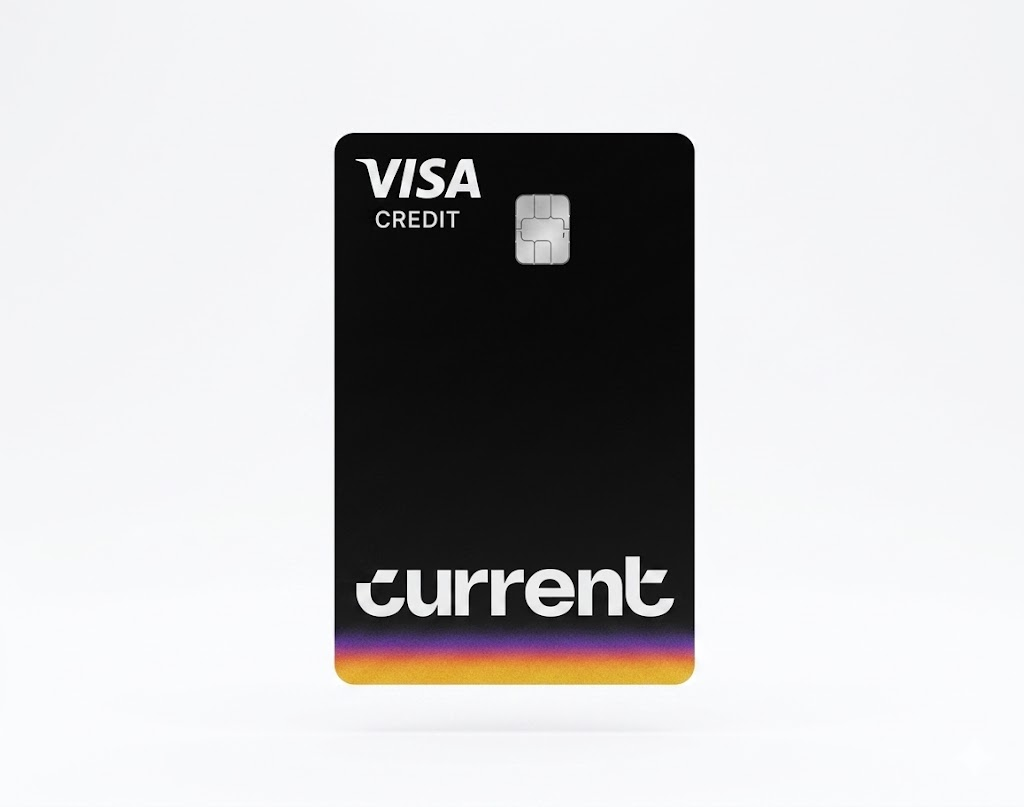
The Current Build Card is a Visa secured charge card issued by Cross River Bank through Current, a financial technology company.
It works differently from a traditional secured card in one important way: instead of depositing money with the bank as collateral, you fund your Current checking account, and that balance backs your purchases on the Build Card.
Here's how that plays out day to day: when you swipe at a grocery store or gas station, Current places those funds in reserve.
Twice a month, AutoPay pays your Build Card balance automatically from those reserved funds. Current then reports that payment activity to all three bureaus, as a credit tradeline.
Because your own money always covers every purchase, Current does not need to run a credit check to approve you.
Key facts as of June 2026:
| Feature | Current Build Card |
|---|---|
| Annual Fee | $0 |
| APR | 0% |
| Minimum Deposit | $0 |
| Credit Check | None |
| Bureau Reporting | Experian, TransUnion, Equifax |
| Rewards | 1 point per $1 on eligible categories (requires $200+ payroll deposit) |
| Issuer | Cross River Bank |
Step-by-Step: How to Use the Current Build Card to Build Credit
Step 1: Open a Current account. Download the Current app and create a checking account. The process is fully digital with no minimum balance required to open.
Step 2: Activate your Build Card. Once your account is set up, activate the Build Card from within the app. No additional application, no credit check, no waiting period.
Step 3: Use the card for regular, recurring purchases. The most effective strategy is to use the card for predictable, low-cost purchases you would make anyway: a streaming subscription, a weekly grocery run, gas. These transactions create consistent activity without risking overspending.
Step 4: Let AutoPay run twice a month. Keep your spending balance funded. As long as reserved funds are in place, AutoPay handles your payment on time.
Step 5: Monitor your credit reports. All three bureaus should reflect your Current Build Card activity within 30 to 60 days of your first reported payment. Check your reports at AnnualCreditReport.com periodically to confirm the tradeline is appearing correctly and to spot any errors.
CREDIT CARD
Current Build Card
Apply today
GO TO OFFICIAL WEBSITE* You will be directed to an external website
The Honest Limitations You Need to Know
- There is no upgrade path within Current. Unlike Discover it Secured or Capital One Platinum Secured, which have defined pathways to unsecured cards within the same issuer, the Current Build Card does not graduate to an unsecured product. When your score improves, you will need to apply through a different issuer. Treat the card as what it is: a starting point with a clear exit, not a permanent solution.
- The rewards require a payroll deposit. Earning 1 point per $1 on eligible categories requires setting up a qualifying payroll direct deposit of $200 or more. Without that setup, rewards are limited to participating partner merchants.
- Additional fees can apply. The card carries no annual fee and no APR, but the rates-and-fees document on current.com lists late payment fees, out-of-network ATM fees, and foreign transaction fees. Review that document before signing up.
- Your limit is capped by your account balance. This prevents debt, which is the right design for someone rebuilding credit. But it also means the card cannot substitute for an emergency fund. Keep a separate savings cushion for unexpected expenses.
How It Compares to the Two Most Common Alternatives
| Item | Current Build Card | Chime Credit Builder | Capital One Platinum Secured |
|---|---|---|---|
| Deposit / collateral | $0, backed by your Current balance | Same model, backed by your Chime balance | $49 to $200, depending on creditworthiness |
| Credit check to apply | None | None | Not specified in this comparison; check directly with Capital One |
| Reports to all 3 bureaus | Yes | Yes | Yes (accepts ITIN) |
| Upgrade path within issuer | None | Not highlighted as a feature | Yes, to Quicksilver within 12 to 18 months, without a new application |
| Best if... | You are starting fresh with no existing banking app | You already use Chime | You have the deposit available and want an in-issuer upgrade path |
Who the Current Build Card Is Right For
The card is the strongest fit for someone who:
- Has a 500 or lower credit score and cannot qualify for traditional unsecured credit
- Does not have $200 sitting available for a security deposit
- Wants to avoid any risk of accumulating interest debt while rebuilding
- Prefers a fully mobile banking experience
- Is starting from scratch or recovering from significant past credit damage and needs the lowest possible barrier to entry
It is less useful if your score is already in the fair range (580 and above), because at that point you may qualify for cards with stronger reward structures and built-in upgrade paths.
Final Assessment
The Current Build Card removes the three most common barriers to credit building for someone with a 500 score: the credit check, the upfront deposit, and the APR risk. It does what it promises, reporting consistent payment activity to all three bureaus, and Current's own data shows real score improvement within six months for most members.
The limitation to understand clearly is that it is a starting card. It has no upgrade path within Current's ecosystem, and once your score reaches a point where better products are available, you will need to move on to a different issuer. That is not a flaw; it is the card's honest design.
Used strategically for 6 to 12 months, the Current Build Card can be the bridge that takes you from a closed door to an open one.
See other options: