7 ways the Fed’s rate increase might impact your budget
An increase in the Fed rate might impact your credit cards, loans, mortgages, and savings. Discover seven strategies to safeguard your monthly budget.
Could the Fed’s rate increase raise the cost of your debt?
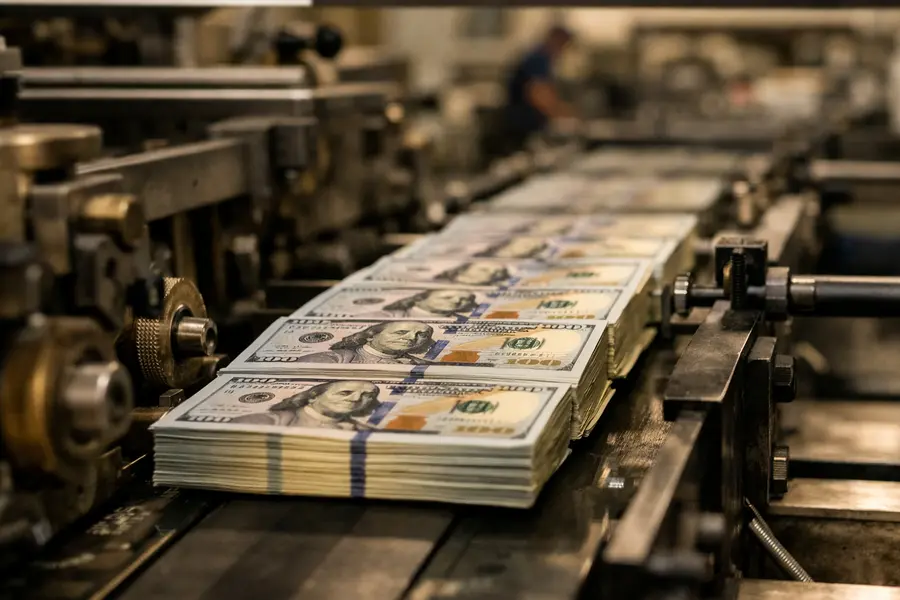
A Fed Rate Hike impacts more than just the stock and bond markets.
It can change the interest rates on credit cards, increase borrowing costs for vehicles and homes, affect your monthly debt payments, and alter the earnings on your savings.
The key issue for your household isn’t just whether the Fed raises rates again. It’s how those rate changes might impact your existing bills, planned purchases, and the savings you’re working to grow.
Below are seven ways a Fed Rate Hike might influence your monthly budget, along with tips on how to get ready.
1. How a Fed Rate Increase Could Raise the Cost of Credit Card Debt
Credit card balances are often one of the first areas consumers notice when rates go up.
Many credit cards come with variable annual percentage rates (APRs), which means the interest rate can fluctuate based on the card’s terms and the benchmark the issuer references.
When the Fed hikes its key interest rate, credit card APRs linked to the prime rate often increase as well.
However, the timing and size of these changes vary depending on your card’s specific terms, so not all credit card APRs adjust immediately or by the same amount after a Fed rate hike.
This effect can be especially noticeable if you often carry a balance rather than paying your credit card bill in full.
Data from the Federal Reserve Bank of New York shows that American households owed roughly $1.263 trillion in credit card debt at the close of Q2 2026. This highlights why rising borrowing costs continue to be a key concern for many budgets.
How rising credit card interest rates can impact your monthly payments
Suppose you have a $5,000 balance on your credit card. If the APR increases from 24% to 24.25%, the estimated interest charged over one month without any payments would go up from $100 to about $101.04.
This means roughly $1.04 more interest in the first month, based on a simple monthly estimate assuming no payments or new charges. Actual interest is usually calculated daily based on the issuer’s billing cycle and balance.
While a 0.25% rise might seem minor, the added expense can really add up if you have a large balance, multiple cards, fees, or often carry debt.
Steps to take now:
- Check the current APR on every card where you carry a balance.
- Review your statement for interest charges and changes to your rate.
- Pay more than the minimum whenever your budget allows.
- Consider directing extra payments toward the balance with the highest interest rate.
- Compare balance-transfer offers carefully, including promotional periods, transfer fees, and the APR that applies afterward.
Lowering high-interest debt now can shield you better from future rate hikes than hoping borrowing costs will drop later.
2. A Fed Rate Hike Could Increase the Cost of Variable-Rate Loans
Credit cards aren’t the only financial products that may see higher costs. Variable-rate personal loans, home equity lines of credit (HELOCs), and other types of borrowing tied to benchmark rates can also be impacted by rate increases.
The main factor is whether your loan agreement permits interest rate changes and the method used to calculate those changes.
Fixed-rate personal loans typically maintain the original interest rate agreed upon. In contrast, variable-rate loans may fluctuate based on their terms, possibly increasing your interest charges or altering your monthly payments.
Why HELOC borrowers should monitor their statements closely
A HELOC allows homeowners to borrow against the equity in their homes. Since many HELOCs have variable interest rates, an increase in benchmark rates can lead to higher borrowing costs once the new rates apply.
For instance, imagine you have a $30,000 HELOC balance and its yearly interest rate increases from 8% to 8.25%.
With a basic interest-only estimate, your monthly interest payment would rise from about $200 to $206.25.
This means an extra $6.25 each month, assuming the balance remains steady and all of it accrues interest at that rate. Your actual payment could vary based on your repayment plan, fees, and terms.
Steps you can take now:
- Determine which loans have fixed versus variable rates.
- Find out when your lender can adjust your rate.
- Ask if your payment amount might change.
- Check your loan’s term and any interest rate limits.
- Think twice before adding variable-rate debt without budgeting for higher payments.
It’s important to know your potential costs before a new payment surprises you.
3. How a Fed Rate Increase Could Raise Your Car Loan Costs
When buying a car, the interest rate you pay can significantly impact your total loan cost.
While auto loan rates don’t directly track the federal funds rate, Fed policy shifts can shape overall lending conditions.
Lenders also weigh factors like credit history, loan length, vehicle condition, down payment size, and financial standing.
This means that two buyers looking at similar cars might get very different financing deals, even if overall market interest rates stay the same.
4. How a Fed Rate Hike Could Influence Your Homebuying Decisions
For many American families, housing expenses make up a significant portion of their monthly budgets.
As interest rates go up, buyers may notice that the same home comes with a higher monthly mortgage cost.
Still, it’s key to know that mortgage rates aren’t directly tied to the federal funds rate.
Mortgage rates are shaped by factors like Treasury yields, the mortgage-backed securities market, inflation forecasts, lender pricing strategies, and the overall economic climate.
While a Fed rate hike can impact these elements, mortgage interest rates don’t always move in step with changes to the federal funds rate.
Will your current mortgage payment go up?
If you hold a standard fixed-rate mortgage, an increase in the Fed’s rate won’t directly change your agreed-upon principal and interest payment.
That said, your overall housing costs might shift due to changes in property taxes, homeowners insurance premiums, or escrow account adjustments.
If you have an adjustable-rate mortgage (ARM), it’s important to review your loan agreement to find out when your interest rate can adjust and what limits are in place.
The Consumer Financial Protection Bureau notes that ARMs usually come with caps on initial, periodic, and lifetime interest rate increases.
Steps prospective buyers can take to prepare
Before purchasing a home, estimate your monthly payment by calculating it with several different interest rate scenarios.
Be sure to account for property taxes, homeowners insurance, upkeep, HOA fees, and other regular expenses.
For instance, a buyer who qualifies for a mortgage at a certain rate might find that a higher rate lowers the price range they can comfortably afford.
Exploring different scenarios can help you avoid relying too heavily on the most favorable financing terms when planning your budget.
If you already own a home, it’s important to verify whether your mortgage has a fixed or adjustable rate before assuming that a rate hike will change your payment.
5. A Fed Rate Hike Could Boost Your Savings Returns
Rising interest rates aren’t always negative for every household’s finances.
Savers might gain an advantage if banks and financial institutions raise the interest rates on qualifying savings accounts, money market accounts, or certificates of deposit (CDs).
The key term here is if. Banks don’t always fully transfer benchmark rate hikes to depositors, and the timing of any increase can differ.
Today’s savings accounts with competitive yields may come with variable rates that could change down the line.
In contrast, CDs typically offer a fixed rate for a set term, governed by the account’s conditions and penalties for early withdrawal.
6. How a Fed Rate Hike Might Influence Your Daily Spending Habits
Rising borrowing expenses can influence how families decide to spend on everyday needs.
As debt payments increase, there may be less cash available for essentials like food, transportation, utilities, childcare, and leisure activities.
The impact varies by household. Families without variable-rate debt might see little immediate change, while those with multiple balances could face more financial strain.
Indirect consequences also exist. Stricter financial conditions can affect business borrowing, hiring, investing, and consumer spending over time. Still, a single rate hike doesn’t automatically lead to layoffs, inflation, or recession.
H3: Why inflation and interest rates are linked
The Bureau of Labor Statistics announced that the Consumer Price Index (CPI) climbed 3.4% over the year ending August 2026. Gasoline prices increased by 3.9% in August alone, while the overall CPI rose 0.4% on a seasonally adjusted monthly basis. Source: BLS.
These numbers help provide perspective for households managing everyday costs. Inflation tracks the rise in consumer prices, while the Fed’s policy rate affects borrowing expenses. They’re connected but represent different aspects of the economy.
An increase in rates doesn’t directly cause prices for groceries or fuel to rise.
Rather, the Fed adjusts monetary policy to shape financial conditions and influence spending, aiming to steer inflation toward its long-term target of 2%.
7. A Fed Rate Hike Could Alter How You Manage Your Emergency Fund
Having an emergency fund becomes especially crucial when borrowing costs rise.
Without savings set aside, sudden expenses like a medical bill, car fix, or a drop in income might force you to turn to credit cards or loans.
This can trigger an expensive cycle: borrowing to cover an unexpected cost, accumulating interest, and future payments leaving less money for the next emergency.
While higher interest rates on savings can boost your fund’s growth, the key role of an emergency fund remains having quick access to cash and protection against financial shocks—not chasing the highest returns.
How much should you keep in your emergency fund?
A widely recommended personal finance rule is to save enough to cover three to six months of basic living costs.
The amount that’s right for you depends on factors like how steady your income is, your family’s needs, insurance protections, and what other resources you have available.
If that goal seems too large right now, start smaller with a target like $500 or $1,000 and grow your emergency fund gradually.
Think about holding your emergency fund in a federally insured, easy-to-access deposit account at a qualified bank or credit union. Check the withdrawal rules and insurance limits rather than just picking the account with the highest advertised interest rate.
Steps to take now:
- Establish a practical savings goal based on your essential monthly costs.
- Set up automatic contributions you can comfortably manage after each paycheck.
- Keep your emergency savings separate from regular spending funds.
- Make sure to refill the fund after using any of it.
- Don’t invest emergency money in volatile assets that might lose value before you need them.
Having an emergency fund can prevent costly borrowing when your finances are already stretched thin.
The Author’s Perspective
A Fed rate increase isn’t automatically a financial crisis, nor does it impact every household identically.
The true challenge lies in being ready for the parts of your finances that are vulnerable to changes in interest rates.
For those carrying a high credit card balance, even a slight rise in APR can increase the cost of managing existing debt.
For potential homebuyers, rising borrowing costs may reduce the price range of homes they can afford comfortably.
Savers could find that this rate environment offers better chances to earn higher returns on their cash deposits.
That’s why the best approach isn’t to react impulsively or make rash financial moves triggered by news headlines.
Instead, carefully examine your loan terms, shop around for better rates, work on paying down costly debt, and keep enough funds set aside for emergencies.

Recommended Content
If You Were on SAVE
Discover why it matters, what to expect next, and how to evaluate your new repayment options.
Continue reading * You will remain on the current website