
New charges on credit cards: what to expect from late payment fees after 2025
Discover what may change in credit card late payment fees after 2025 and learn how to protect your finances as new rules.
See what changes in tariffs with the repeal of the rule in 2025
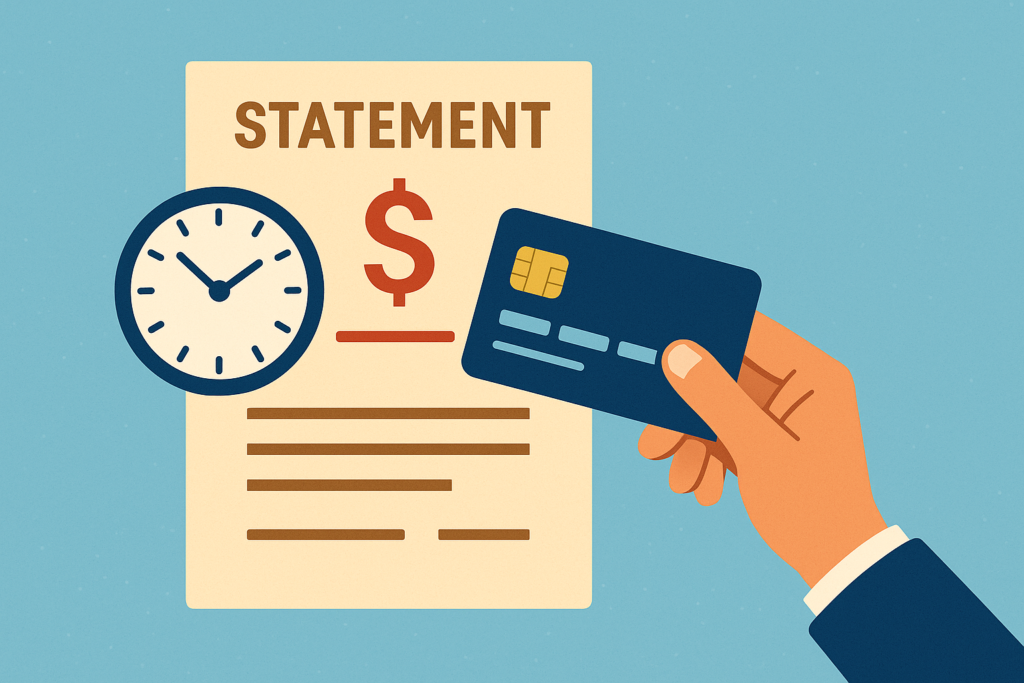
Credit card rules in the United States are entering a new phase after 2025, and one of the biggest questions consumers have is simple: will late payment fees change, and how much will they cost?
With evolving regulations, shifting market conditions, and pressure from both consumer groups and card issuers, late fees are expected to take on a new shape.
If you rely on credit cards for everyday expenses, travel, or emergency backup, staying informed is essential. Here’s what to expect and how these changes may affect your budget in the coming years.
Why Late Payment Fees Are Changing
For years, late fees have been at the center of a debate involving regulators, banks, and consumer advocates.
Regulators argue that excessive penalties burden households already struggling with debt. Issuers, on the other hand, say fees are necessary to discourage late payments and cover administrative costs.
Beginning in 2025 and moving forward, new federal guidelines and market adjustments are prompting issuers to review their fee structures.
This shift means many consumers may see new pricing models, revised penalty tiers, and stricter enforcement of due dates.
What Consumers Can Expect After 2025
Although the exact numbers vary depending on the broadcaster, some consistent trends are likely to emerge. Below, we’ve outlined the main ones so you can stay informed about the entire process.
1. More Transparent Fee Policies
Regulators have been pushing for clearer disclosure practices. After 2025, cardholders can expect cleaner, more direct explanations of how late fees are calculated and when they apply.
This means fewer surprises on billing statements and better insight into how your payment behavior affects your charges.
2. Potential Increase in Standard Late Fees
Some issuers may raise late payment fees, especially for premium cards or accounts with higher credit limits.
Economic factors, such as inflation, operational costs, and risk assessments, often influence fee adjustments.
While increases are not guaranteed across all institutions, experts anticipate that standard late fees may rise gradually.
3. Tiered Penalty Structures
Instead of a flat rate, some companies may adopt tiered late payment fees based on specific criteria. We list each of these below.
- How many days your payment is overdue;
- Your credit score;
- Your past payment behavior;
- The type of card you have.
This structure allows issuers to penalize chronic late payers more severely while offering lighter penalties for occasional slip-ups.
4. Stricter Enforcement of Due Times
Consumers are used to focusing on the due date, but many issuers are tightening rules around the due time. After 2025, missing a cutoff by even a few minutes may trigger a late fee.
Digital payments usually process quickly, but if you schedule them close to the deadline, processing delays can still cause penalties. This is particularly important if you use automatic bill pay or third-party payment apps.
How These Changes Might Affect Your Credit Score
Late fees themselves do not directly impact your credit score. However, the behavior that triggers them does. If a late payment goes beyond 30 days past the due date, it can be reported to credit bureaus and:
- Lower your credit score;
- Increase interest rates on future credit;
- Reduce your chances of obtaining loans or premium cards.
With stricter enforcement and potential fee increases, consumers may feel more pressure to maintain consistent on-time payments.
Prepare Now to Avoid Paying More Later
Late payment fees are evolving, and although changes vary by issuer, the direction is clear: credit card companies are adjusting their models, and consumers need to stay proactive.
Understanding how fees may shift after 2025 helps you make better financial decisions, protect your credit score, and avoid unnecessary costs.
Whether the adjustments involve transparent policies, tiered penalties, or stricter timelines, consistent on-time payments remain the best defense.
With a bit of planning and awareness, you can navigate the new landscape confidently and keep your credit card working for you, not against you.
Related content
Unusual Insurance Types You Didn’t Know Existed
Discover the most unusual insurance types you didn’t know existed.
Keep reading * You will remain on the current website