
Seasonal Financial Pressures That Impact Loan Choices
Discover how seasonal financial pressures that impact loan choices influence borrowing decisions and learn how to plan smarter.
Timing changes everything in borrowing.
Seasonal financial pressures that impact loan choices are often underestimated. Yet throughout the year, predictable cycles influence how and why people borrow money. From holiday spending to tax season expectations, these recurring events shape financial decisions more than many realize.
Understanding these patterns helps borrowers avoid emotional decisions. Instead of reacting to temporary stress, they can anticipate expenses and choose financing options that truly support their long-term goals.
Financial seasons are not just about weather. They are about income fluctuations, social expectations, and recurring obligations that create peaks and valleys in personal cash flow. Recognizing these rhythms is the first step toward smarter borrowing.

Holiday Spending and Short-Term Loans
The final months of the year often bring intense spending pressure. Gifts, travel, celebrations, and social gatherings can stretch even well-planned budgets.
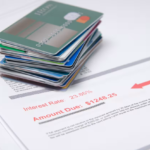
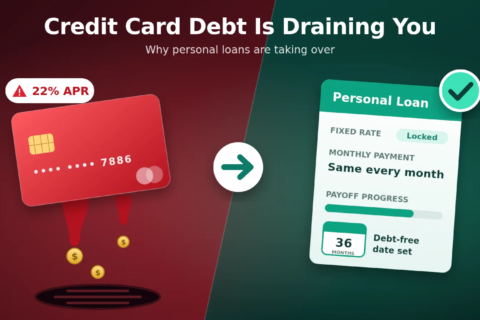
During this period, many consumers turn to credit cards, personal loans, or short-term financing. The urgency of the season can make higher interest rates seem acceptable in exchange for immediate relief.
However, borrowing driven by celebration rather than necessity often leads to repayment stress in the new year. Emotional spending combined with easy access to credit can create long-term financial consequences from short-term joy.
Planning ahead with a holiday savings strategy can reduce reliance on costly credit products. When loans are necessary, comparing interest rates and repayment terms becomes even more critical.
Tax Season and Strategic Borrowing
Tax season creates a different kind of financial pressure. Some individuals anticipate refunds and make borrowing decisions based on expected incoming funds.
In these cases, short-term loans may be used as bridge financing. Borrowers assume repayment will occur once the refund arrives.
This strategy can work if the refund amount and timing are certain. But delays, adjustments, or unexpected liabilities can disrupt repayment plans.
Basing loan choices on projected income carries risk. Responsible borrowers confirm refund estimates and maintain backup plans before committing to new debt.
Back-to-School and Family Expenses
Late summer often brings significant expenses for families. Tuition, school supplies, uniforms, and extracurricular fees can accumulate quickly.
Parents may consider installment loans or credit lines to manage these clustered costs. The decision often depends on whether expenses are one-time or recurring.
When education expenses are predictable, structured savings may be more cost-effective than borrowing. Loans should ideally be reserved for large, unavoidable costs that exceed available reserves.
Careful budgeting before the school year begins reduces reliance on reactive borrowing. Anticipation transforms seasonal pressure into manageable planning.
Summer Slowdowns and Income Gaps
In some industries, income fluctuates seasonally. Construction, tourism, agriculture, and freelance sectors may experience slower periods during specific months.
When income dips, individuals sometimes rely on personal loans to stabilize cash flow. These loans function as temporary income replacement rather than funding for purchases.
While this can maintain financial stability, it may also create debt cycles if income recovery takes longer than expected. Borrowers must evaluate repayment capacity conservatively.
Establishing an emergency fund during high-income months provides a safer alternative. Loans should supplement planning, not replace it.
Rising Utility Costs and Weather-Driven Expenses
Seasonal weather can significantly impact household budgets. Winter heating bills or summer air conditioning costs often arrive with little flexibility.
Unexpected spikes may push households toward credit solutions. Small installment loans or revolving credit can bridge short-term cash shortages.
Yet borrowing for predictable seasonal utilities suggests a budgeting gap. Reviewing annual energy averages allows households to distribute costs evenly throughout the year.
Some providers even offer balanced billing programs to smooth fluctuations. Exploring these options before turning to credit reduces unnecessary interest payments.
Emotional Factors and Timing
Seasonal pressures are not purely financial. They are emotional. Social expectations, family traditions, and perceived urgency influence borrowing behavior.
During high-pressure seasons, decision-making can become reactive. Borrowers focus on immediate relief rather than total repayment cost.
Taking a pause before committing to a loan is essential. Comparing multiple offers, calculating total interest, and reviewing repayment timelines can prevent regret later.
Financial clarity improves when decisions are separated from emotional intensity. Timing matters, but thoughtful timing matters more.