
Grace Period and Trailing Interest: What You Need to Know
Discover how grace periods and trailing interest affect your credit card balance, payments, and financial planning.
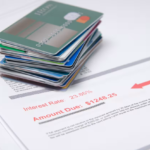
Hidden charges often lurk behind the words grace period and trailing interest.
Credit cards are powerful financial tools, but they come with rules that can be confusing. Among the most misunderstood concepts are the grace period and trailing interest. These terms may sound technical, yet they directly influence how much you pay when carrying or clearing balances.
Understanding them is essential for anyone who wants to avoid unnecessary costs. By learning how grace periods work and how trailing interest sneaks into statements, you can take control of your finances and prevent unpleasant surprises.

What Is a Grace Period?
A grace period is the window of time after your billing cycle ends when you can pay your balance without incurring interest. Most credit cards offer around 21–25 days.
If you pay your balance in full during this period, you avoid finance charges. However, if you carry a balance from the previous cycle, the grace period may not apply, and interest begins immediately.
Why Grace Periods Matter
Grace periods reward disciplined payment habits. They allow you to borrow money for short periods without cost, essentially giving you interest-free credit.
Missing the grace period, however, means interest accumulates quickly. Even small balances can grow if payments are delayed.
What Is Trailing Interest?
Trailing interest, also called residual interest, occurs when you pay off your balance but still owe interest that accrued between the statement date and the payment date.
For example, if your statement closes on the 1st and you pay on the 10th, interest may continue to build during those nine days. This leftover charge appears on your next bill, often surprising cardholders who thought they had cleared everything.
How Trailing Interest Works
Trailing interest is calculated daily. Even if you pay the full statement balance, the lender may add interest for the days after the statement closed until your payment was processed.
This means your next bill could show a small balance, even though you believed you had paid in full.
The Connection Between Grace Period and Trailing Interest
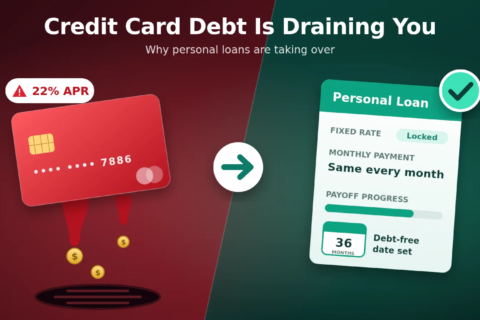
Grace periods and trailing interest are linked. If you carry a balance, you lose the grace period, and trailing interest becomes more likely.
Paying late or partially can trigger both issues: no grace period and residual charges. Together, they can make debt harder to eliminate.
Common Misunderstandings
Many people assume paying the statement balance clears everything. In reality, timing matters.
Others believe grace periods always apply, but they vanish once a balance is carried forward. These misconceptions lead to frustration when unexpected charges appear.
Strategies to Avoid Trailing Interest
- Pay early: Don’t wait until the due date. Paying right after the statement closes reduces residual interest.
- Pay in full: Clear the entire balance, not just the minimum.
- Check statements carefully: Look for small leftover balances that may indicate trailing interest.
- Contact your issuer: Ask how they calculate residual interest and whether autopay can help.
Benefits of Understanding These Terms
Knowing how grace periods and trailing interest work empowers you to manage credit wisely. You can borrow strategically, avoid hidden costs, and maintain a strong credit score.
Financial literacy in these areas also helps you plan cash flow, ensuring you use credit cards as tools rather than traps.
Real-Life Example
Imagine a cardholder with a $1,000 balance. The statement closes on May 1, and they pay the full $1,000 on May 15.
Interest accrues between May 1 and May 15. On the next statement, a small trailing interest charge appears, even though the balance was “paid off.” This illustrates why timing is crucial.
Conclusion
Grace periods and trailing interest are not just technical terms—they shape how much you pay for credit. By mastering these concepts, you can avoid hidden charges, protect your finances, and use credit cards to your advantage.
Paying attention to timing, understanding the rules, and staying proactive ensures that your money works for you, not against you.